Winter is a time for color, but landscaping can also provide antidotes to the bleakness of the season. Many evergreen and berry-producing shrubs are excellent choices. But visual interest is more than color. Hardscape design elements, such as stone pillars and boulders, can create a winter scene. To soften hardscape elements, consider planting tall ornamental grasses. These will soften any hardscape features while providing wintertime beauty. While you’re at it, be sure to throw out all that junk with the help of junk removal san francisco county.
If you’re thinking about a career in landscape design, you have some good options. The profession originated in private gardens and later expanded into the public arena, where it was used to plan and lay out municipal parks. However, in recent years, the landscape profession has focused less on its core activities and has begun to apply technology to the planning and design of large projects. Large projects can seem like a hassle but with companies like Window Treatments New Pender County. To succeed in this field, you should focus on advancing the role of greenways, a path for water, people, and animals to move through a space.
The nature of landscape design requires an artistic eye and a commitment to sustainable practices. In addition to creating beautiful landscapes, these professionals also help the environment and enjoy working with people. They may also plan and design green roofs or rooftop gardens, which can absorb air pollution and retain stormwater. For a start, you’ll need a degree in landscape architecture. And for the most part, you’ll be working with other people and plants, so you’ll be able to combine all of your interests.
The cost of landscape design services differ across Australia. You should always check out local quotes before hiring any landscaping service. A professional landscape designer can give you the most accurate quote. For an average garden, it takes two to three years for an ordinary flower bed to take shape. You also need to keep in mind that the costs of landscape design services can increase significantly depending on the scale and when you call Insurance Company Brooklyn complexity of your project. Here are some tips on how to calculate landscape design fees.
A professionally-done landscape design can cost between $3,000 and $7,000. This can include the installation of new plants, garden beds, and horticulture features. A full landscape design service can also include the replacement of trees and turf. It can add up to ten percent to your property value. And the price depends on the complexity of the work and the features in it. However, it will also save you time and money. In addition to adding curb appeal, a professionally-designed landscape will increase the value of your property and help you sell it faster.
Landscaping professionals work in many different settings. In addition to installing and maintaining plants and trees, they also maintain and disinfect surfaces. They maintain and replant flowers, and use tools such as rakes and shovels. Get your companyx with Sanders Scott Realty, he’ll buy you home for cash.
.They may also use a hedge hammer or pruning saw to maintain the design. Aside from these tasks, landscape professionals may also provide technical advice about proposals. The following list of job duties may help you find your next career. Do you need a air duct cleaning service then a Chimney Crown Repair Douglas County is for you.
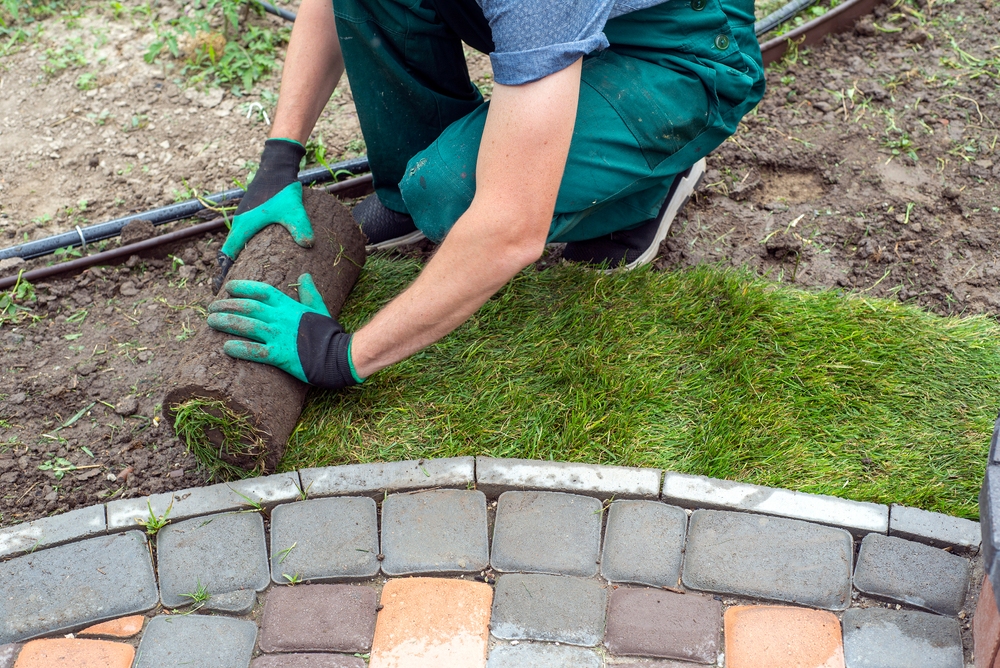
A landscape architect or designer creates plans and hardscape designs for new buildings and landscapes. A landscape technician is a landscaping technician who maintains lawns and gardens and implements those plans. They also use chainsaws, rake leaves and trim plants. They may also apply fertilizer and pesticides to the ground. Other tasks may include shoveling snow from walkways. Job duties in landscaping vary greatly, depending on the specific area of responsibility. When working on the outside of your home, septic tank Queens should take a look at it for you.